Making Sense of Your AC Options: A Practical Owner’s Guide to Smarter Choices
Every air conditioning project starts with scoping the space. Square footage matters, but so do insulation, window orientation, occupant schedules, and local climate swings. Assess how rooms are used across the day, because heat loads rise and fall with sun paths and activity. Document existing electrical capacity and any previous HVAC changes to avoid surprises. A clear baseline lets you size equipment properly and plan ductwork, line sets, and drainage with fewer revisions.
Meanwhile, budgeting is more than picking a sticker price. Consider lifetime costs: energy consumption, filter changes, and service intervals. Validate warranty terms, but also verify the ease of sourcing replacement parts. Then compare repairability across models to understand downtime risks. A slightly higher upfront investment can yield steadier operating expenses, while underspending often invites rework. Align numbers with comfort goals so the system you buy is the one you can sustain.
Often, homeowners overlook electrical readiness. Inspect panel capacity, breaker availability, and wire runs before installation day. In practice, planning a subpanel or dedicated circuit early can buffer your schedule from last‑minute delays. Sequence any electrical upgrades ahead of equipment delivery so installers can set the condenser and air handler without pause. Beyond that, confirm outdoor clearances for airflow, noise, and service access to keep future maintenance straightforward.
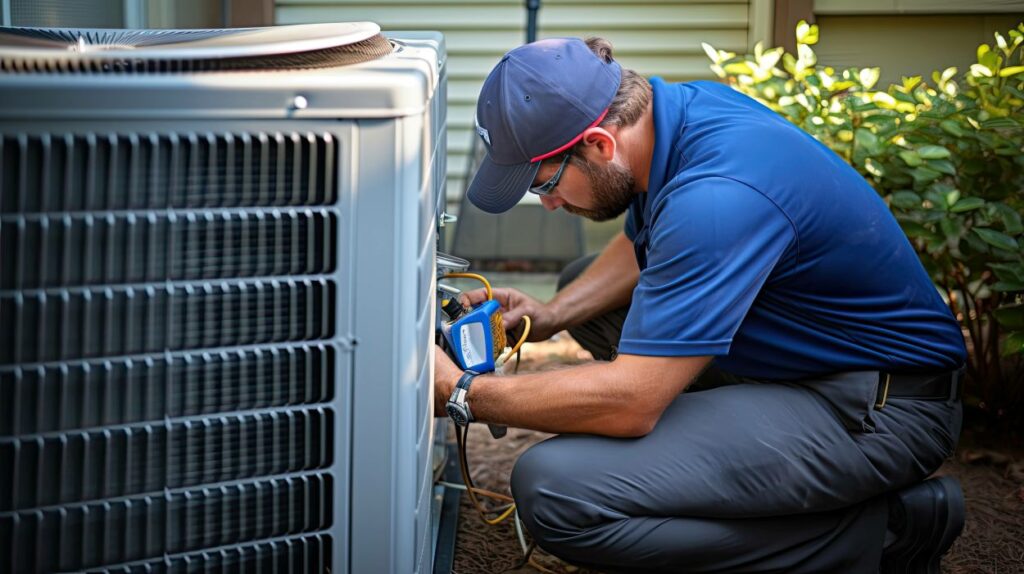
Process matters when scheduling AC Installation and Repair because weather windows, permits, and equipment lead times all interact. Stage materials, pads, vibration isolators, line‑set insulation, and drain components on site a day in advance. Then phase work to reduce time with the system offline: recover refrigerant, set equipment, run lines, pressure test, pull vacuum, and start up. Document readings so future technicians can validate performance against day‑one benchmarks.
However, ductwork is the silent variable that often defines comfort. Inspect for leakage, crushed runs, or poor transitions that throttle airflow and raise static pressure. Calibrate registers and dampers room by room to balance temperatures, and insulate ducts in unconditioned spaces to protect efficiency. If ducts are inaccessible or rooms vary widely in use, Ductless Mini-Split Installation can add zoning flexibility without invasive construction.
Then think ahead about heating requirements, since many regions benefit from a dual‑purpose plan. Heating Installation and Repair may pair well with Heat Pump Installation to manage shoulder seasons efficiently. Validate defrost strategies, auxiliary heat sizing, and thermostat compatibility, especially where winter lows dip more often. Sequence thermostat programming and sensor placement during commissioning so seasonal switchover feels seamless rather than disruptive.
Beyond that, comfort isn’t only about temperature. Indoor Air Quality Services address filtration, humidity, and ventilation, which influence sleep, allergies, and equipment longevity. Assess filter MERV ratings against blower capability, and maintain a schedule that preserves airflow. Humidity control reduces mold risk and protects finishes, while balanced ventilation manages cooking and cleaning byproducts. Align these elements so the system handles both climate and contaminants with minimal energy penalty.
In practice, contractor selection hinges on clarity and follow‑through. Ask about load calculations, duct design methods, and commissioning steps, not just brand names. Verify that teams document static pressure, superheat, and subcooling at startup. Maintain a record of model numbers, filter sizes, and maintenance intervals. A provider that shares data empowers you to spot drift early, keep performance steady, and refine settings as seasons change.
Finally, plan for the first year of ownership. Schedule a check after the initial cooling and heating seasons to review energy use, comfort notes, and any anomalies. Inspect condensate paths, tighten electrical connections, and update thermostat profiles. Meanwhile, set reminders for filter replacements and clearances around outdoor units. Small, consistent actions keep warranties intact and extend system life without costly interventions.
Altogether, a thoughtful path—from assessment to commissioning to care—reduces risk and maximizes comfort. Whether you need HVAC upgrades, targeted repairs, or a fresh design, treat the project as a lifecycle decision. Sequence tasks deliberately, validate results with measurements, and preserve records for the next visit. With that approach, you’ll spend less time troubleshooting and more time enjoying a home that simply feels right.